
Artisan Bread Essentials
By mastering the basic steps of bread making and understanding exactly how yeast interacts with your dough, the guesswork is removed and it becomes easy to consistently make a crusty loaf of bread with just the right amount of rising time.
Step-by-step techniques
Reliable baking outcomes
Flexible practice pace

Master Dough Fundamentals
You will be able to understand the role of water, mixing, and resting time in your dough, and instead of just guessing, you will be able to determine exactly when your dough is ready to move on to the next stage by using visual and tactile clues.
With practice, you will be able to shape your loaves so they are perfectly rounded with a nice even crumb and just the right amount of springiness in the body of the loaf.
And, once in the oven, you will be able to control the temperature and time perfectly so the loaf comes out with a golden crust that is not too dark and a crumb that is not too dry.
Small habits that create exceptional bread at home
By using easy and quick techniques to prepare your ingredients and then your bread dough, you can also cut down on preparation time and actually have fun baking your bread.
Flavor First Approach
Through proper manipulation of ingredients and yeast, you will learn how to achieve deep and rich flavors without relying on preservatives or flavorings.
Precision Baking Methods
Clear guidance removes uncertainty at every stage
Tools & Equipment
You will learn which bread making tools truly matter and which ones you can confidently skip without compromising dough quality or final baking results.
Ingredients & Quality
With just a few simple ingredients and clear guidelines, you will learn how to choose the right flour, yeast, water, and salt for balanced flavor and structure.
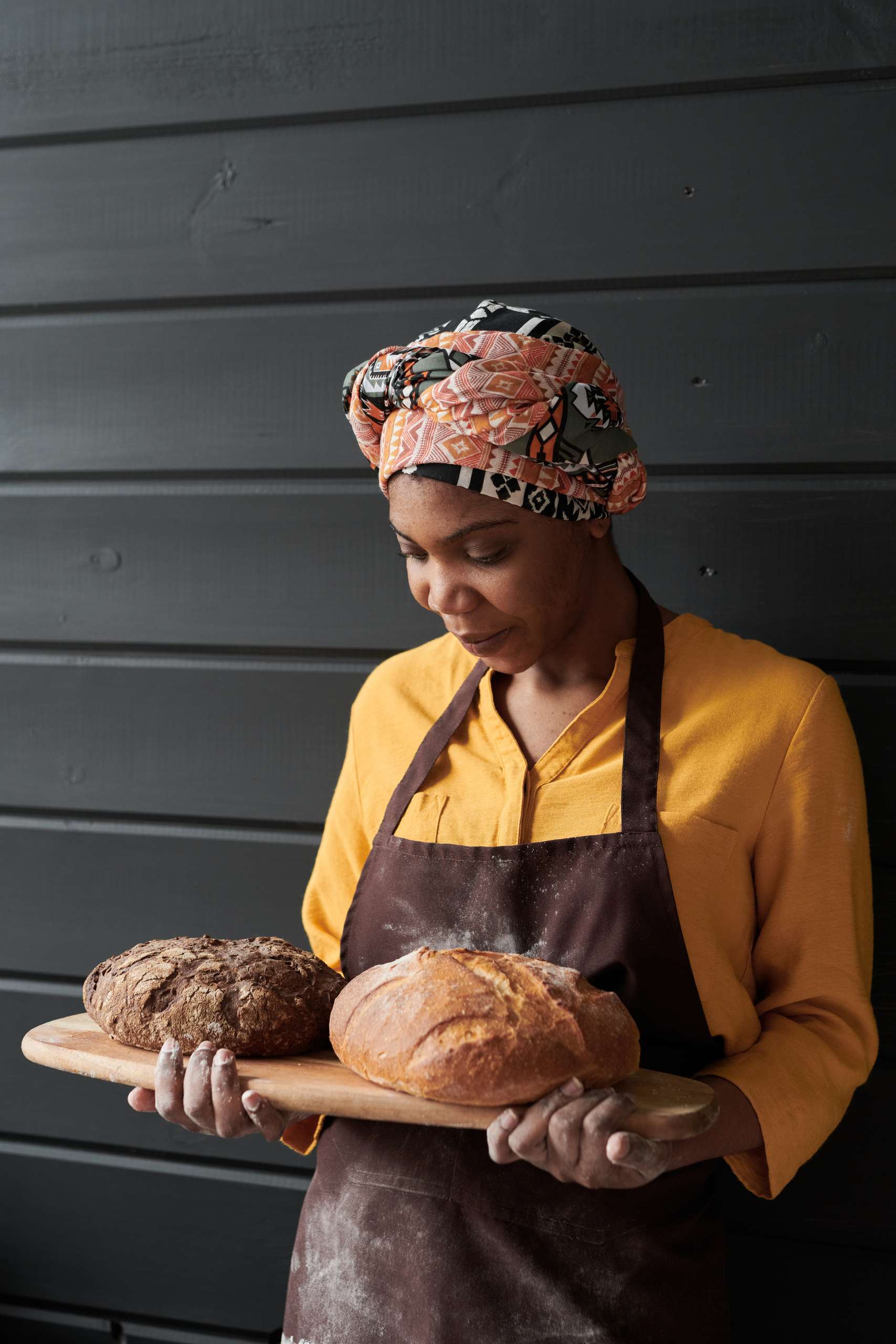
Straightforward process from mixing to baking
Mixing & Kneading
Apply efficient mixing and kneading techniques that build strong gluten structure without exhausting effort, creating elasticity and stability for reliable fermentation and shaping.
Proofing & Baking
You will recognize the exact moment dough is properly proofed, helping prevent collapse in the oven and ensuring a well-risen loaf with a light crumb and structure and texture.
Bake With Confidence
By following a simple bread making plan, you can master the basics of bread making so you can start experimenting with new ingredients and recipes.
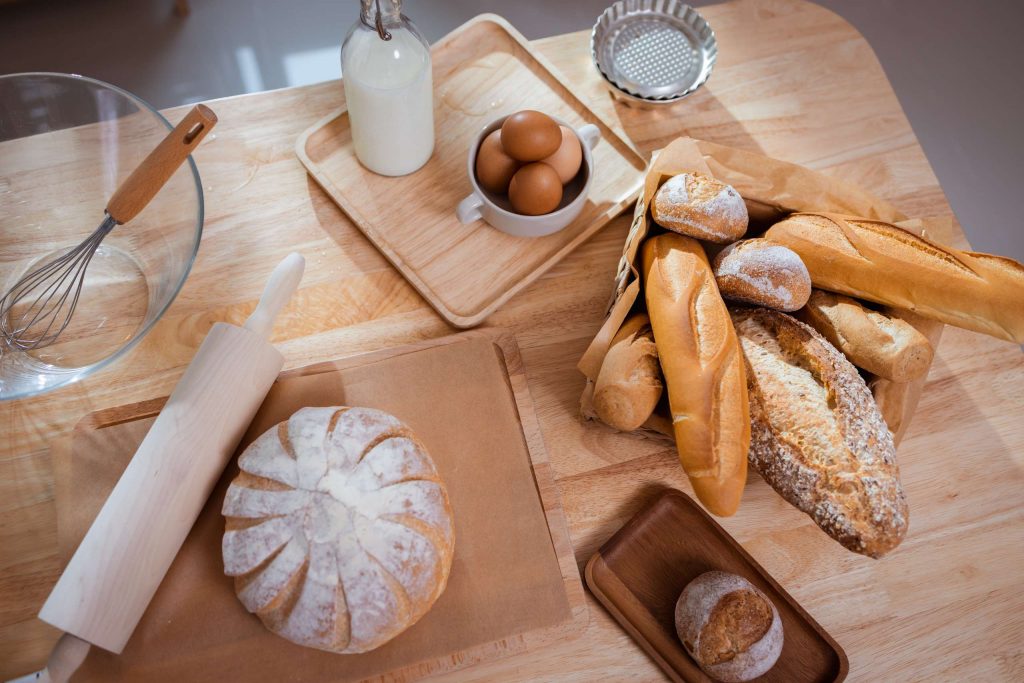
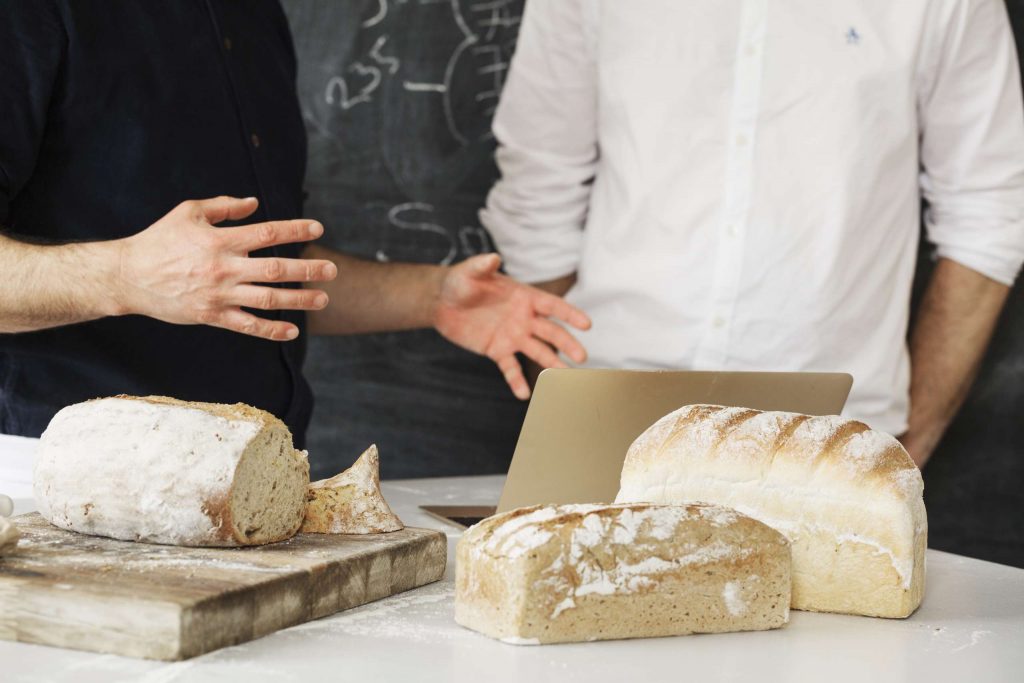

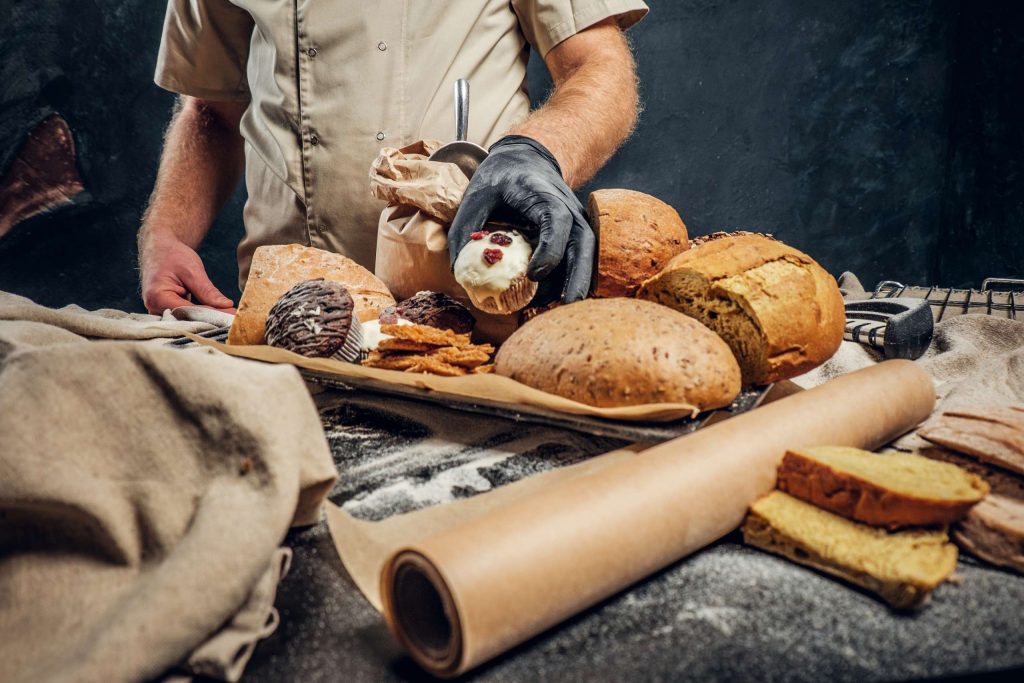
Answers to common baking process questions
You will have a better understanding of the little things that often seem to confuse people, such as the exact rising time and temperatures that are perfect for your bread, as well as how to handle the dough during each stage.