
Artisan Bread Essentials
Learn the basic stages of bread making and explore how yeast, hydration, mixing, and resting time affect dough behavior. Practical visual and tactile cues can help you make more informed decisions during each bake.
STEP-BY-STEP TECHNIQUES
REPEATABLE METHODS
FLEXIBLE PRACTICE PACE
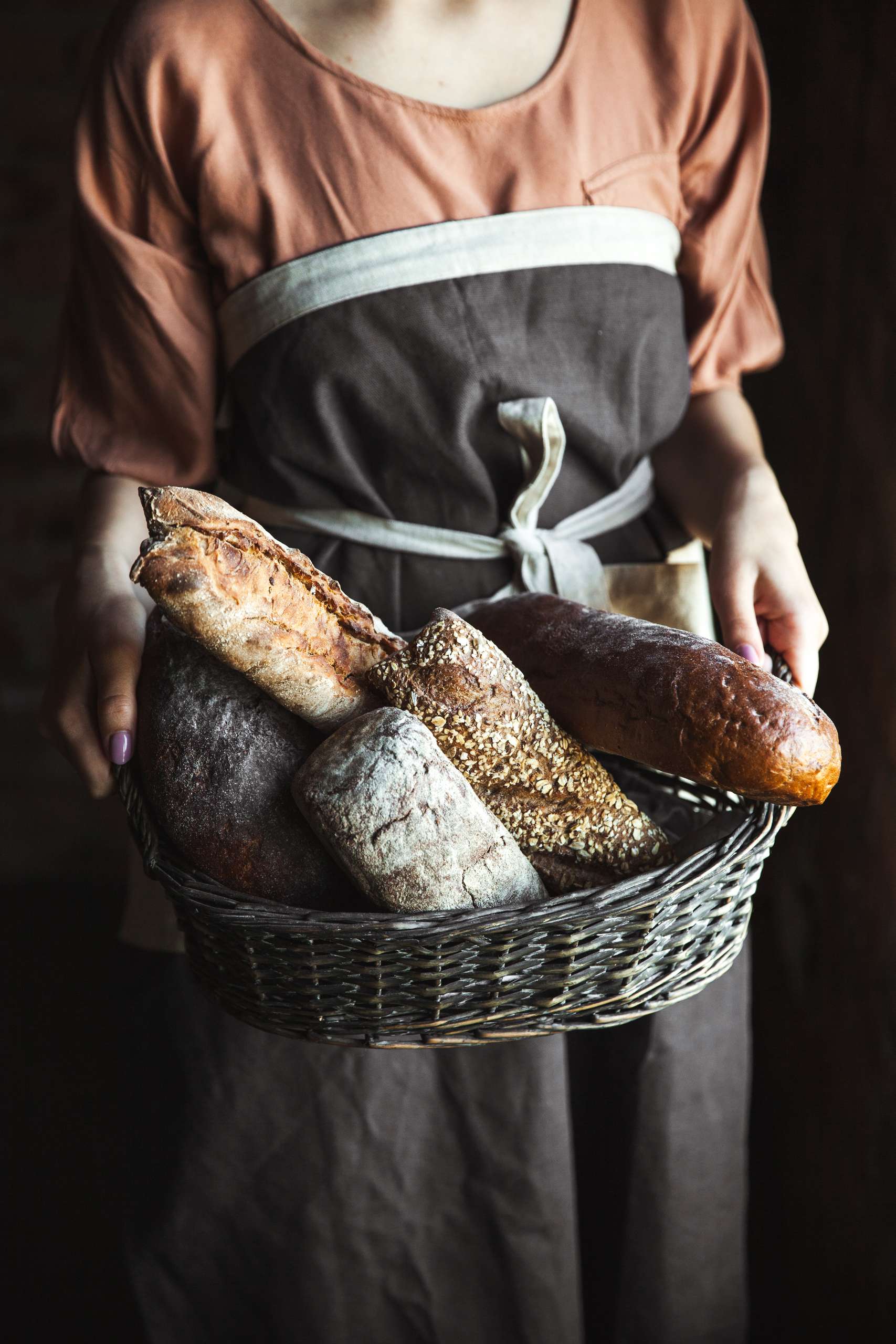
Understand Dough Fundamentals
Learn how water, mixing, and resting time influence dough development, and use visual and tactile cues to judge when it may be ready for the next stage.
With practice, you can become more familiar with shaping techniques that support a rounded loaf, balanced crumb, and good surface tension.
Explore how oven temperature and baking time affect crust color, moisture, and crumb structure so you can adjust future bakes based on the result.
Small habits that create better bread at home
Simple preparation habits can make the baking process easier to organize and give you more time to focus on the dough itself.
Flavor First Approach
Learn how ingredient choice, fermentation, and yeast activity can influence aroma and flavor, and explore how small adjustments affect the character of a loaf.
Practical Baking Methods
Clear guidance helps reduce uncertainty at each stage.
Tools & Equipment
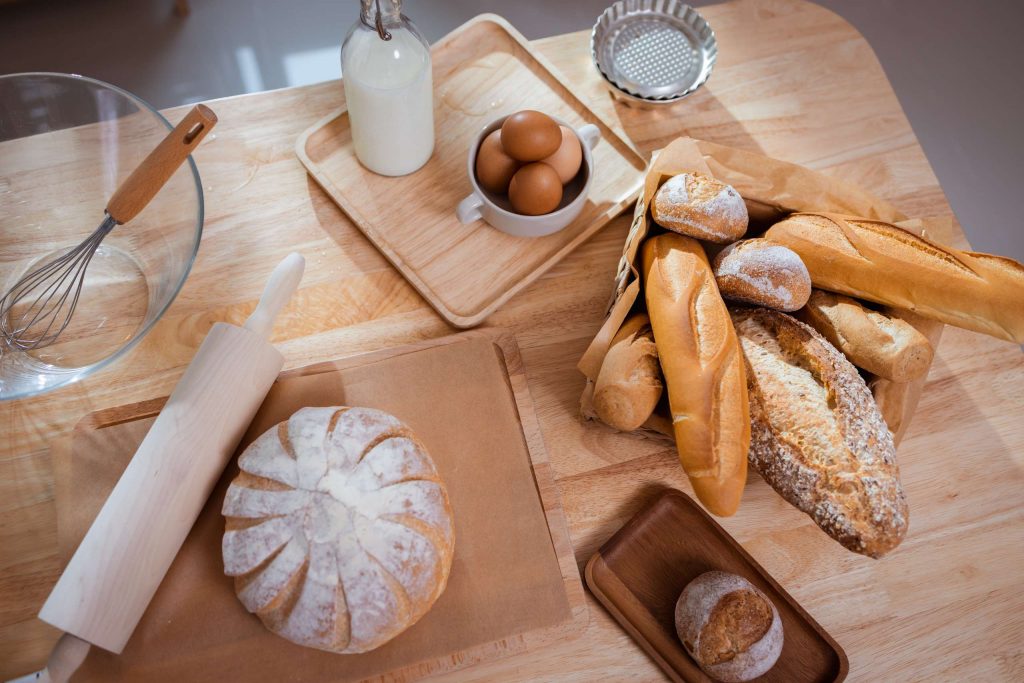
Learn which basic tools can make mixing, shaping, and baking easier, and which may depend on the type of bread you make.
Ingredients & Quality
With just a few ingredients and guidelines, you will learn how to choose the right flour, water, and salt for balanced flavor and structure.
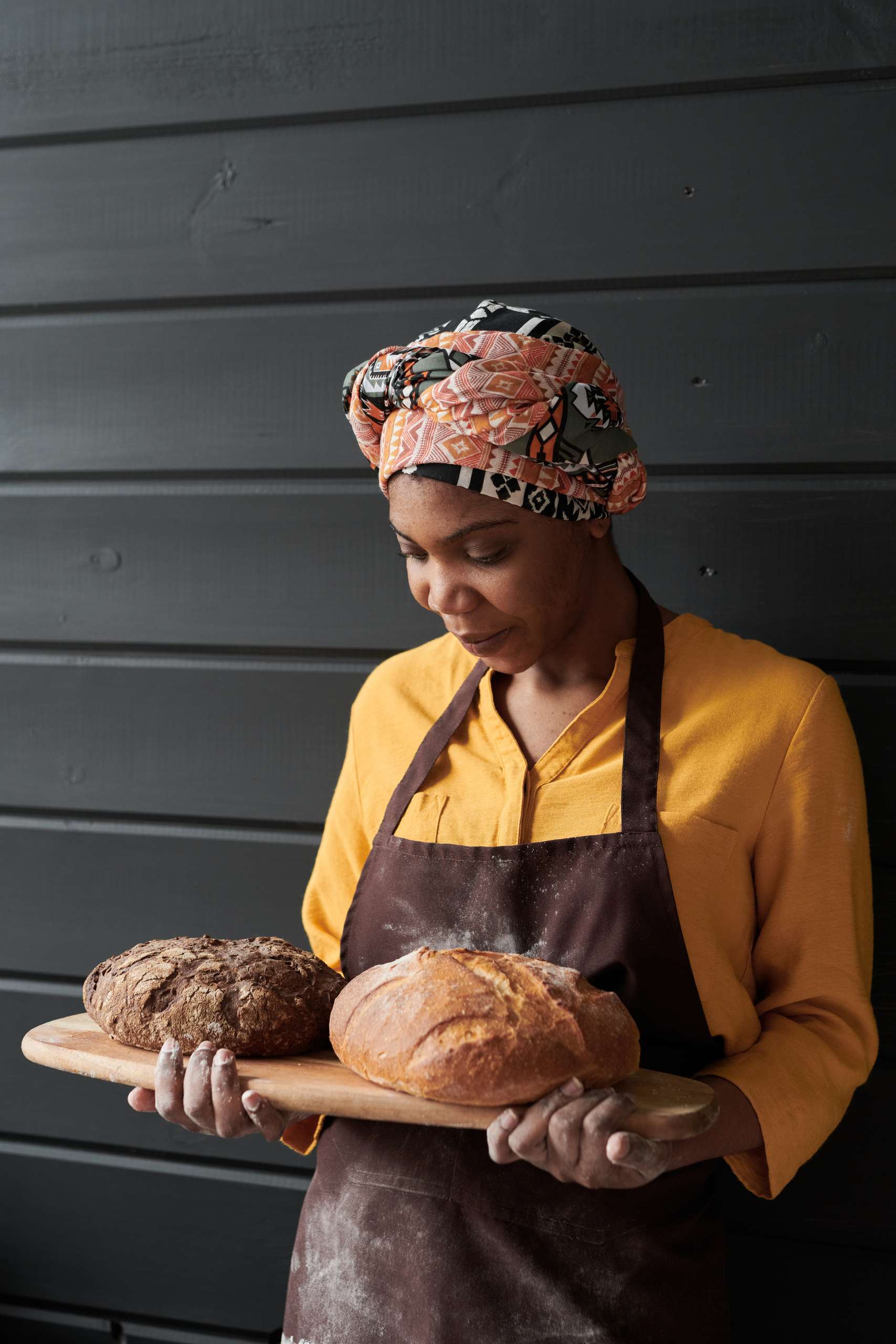
Straightforward process from mixing to baking
Mixing & Kneading
Practice mixing and kneading methods that support gluten development while avoiding unnecessary handling of the dough.
Proofing & Baking
Use several cues — including volume, surface feel, elasticity, and time — to estimate proofing readiness and reduce the risk of under- or over-proofing.
Improve Your Baking Skills
Use a simple bread-making routine to build familiarity with core techniques before experimenting with new ingredients and recipes.
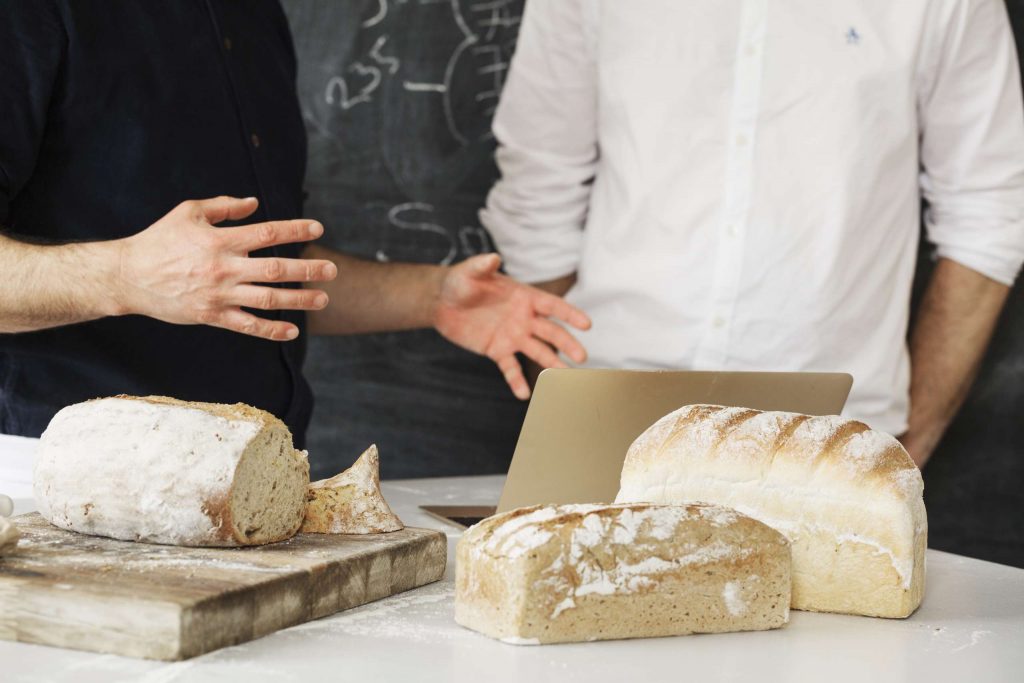
Answers to common baking process questions
Explore common questions about proofing, temperature, handling, and timing, and learn why these factors can vary between different doughs, recipes, and kitchen conditions.